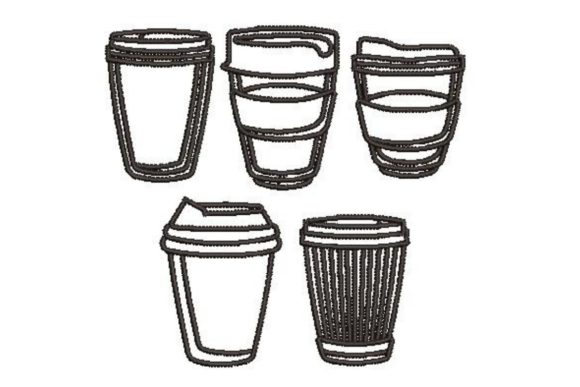
Reusable Coffee Cups Embroidery
As an experienced embroidery designer preparing for a weekend craft fair, I always look for designs that stand out in a crowded booth. The Reusable Coffee Cups embroidery design offers a unique opportunity to elevate handmade products with a touch of sophistication. Whether you're selling tote bags, aprons, or tea towels, this design has the potential to become a staple in your collection.
First Impressions: A Touch of Elegance
The Reusable Coffee Cups embroidery design exudes a sense of elegance and modernity. It feels like a perfect fit for a tea-themed product line, offering a refined aesthetic that appeals to both casual and upscale buyers. The design is versatile enough to work on various items, from simple fabric pouches to more elaborate pillow covers.
Its clean lines and subtle details make it ideal for a variety of fabrics, including cotton, linen, and even heavier materials like canvas. This makes it a great choice for craft fair sellers looking to offer high-quality, visually appealing handmade products.
Where Reusable Coffee Cups Shines
When considering where Reusable Coffee Cups would stand out, the design excels on tote bags, aprons, and kitchen towels. These are common items at craft fairs, and adding a custom embroidered element can significantly increase their appeal. Customers often gravitate toward products that feel personal and unique, and this design delivers just that.
On caps and patches, the design maintains its clarity and charm, making it a great option for small shop products. It also works well as a focal point on market bags or as an accent on fabric pouches. For Etsy sellers, the design could be used in printable mockups, helping to showcase the finished product before it's made.
Practical Selling and Production Points
One of the key factors in determining whether a design will sell is how easy it is to produce. Reusable Coffee Cups is a machine embroidery design that should be straightforward to understand and execute. Its layout allows it to function as either a small accent or a larger focal design, depending on the project.
Photographing this design for online listings is also a strong point. The clean lines and minimalistic approach ensure that it looks good in digital formats, which is crucial for Etsy sellers and other digital sellers. Additionally, the design’s simplicity means it can be repeated easily in batch production, making it a practical choice for commercial embroidery.
Careful-Use Notes
While Reusable Coffee Cups is a versatile design, there are some considerations to keep in mind. Dense stitch areas may require extra stabilizer to prevent puckering, especially on thicker fabrics. Tiny details might not hold up well on textured towels or dark fabrics, so testing on different materials is essential.
For curved cap surfaces, the design may need slight adjustments to ensure it sits properly. Small lettering could also be lost if the design is scaled down too much, so it’s important to test the design at various sizes before committing to large-scale production.
Impact on Visual Appeal and Customer Engagement
Reusable Coffee Cups adds visual interest to any product it’s applied to. It catches the eye without being overwhelming, making it a great choice for booth displays. When placed alongside other handmade products, it helps create a cohesive look that draws customers in.
From a customer perspective, this design enhances the perceived value of a product. It signals quality and attention to detail, which are crucial for handmade shops aiming to build brand consistency. For creative entrepreneurs, this design can serve as a reliable asset in their design assets library.
Embroidery Designer Notes
Before producing Reusable Coffee Cups, I recommend testing the embroidery file on scrap fabric to see how it looks in real life. Checking thread colors against the fabric is also important to ensure contrast and visibility. Reviewing the spacing between elements will help avoid overcrowding, especially on smaller projects.
Confirming the hoop size is another critical step. If the design requires a larger hoop, it may affect how it’s produced and stored. Inspecting the stitch density will help determine if additional stabilizer is needed, particularly on delicate or stretchy fabrics.
Creating at least one real mockup is essential to see how the design looks on a finished product. Comparing fabric colors and textures can also help in selecting the best options for different applications. Finally, always confirm commercial licensing before selling finished products to ensure compliance with any terms and conditions.
Final Thoughts
Reusable Coffee Cups is a valuable addition to any embroidery designer’s toolkit. Its elegant design, versatility, and practicality make it an excellent choice for craft fair products, handmade items, and commercial embroidery projects. Whether you’re using it on a tote bag design, apron embroidery, or tea towel embroidery, it has the potential to boost sales and enhance your brand presence.
For those looking to expand their offerings, this design provides a solid foundation for creating small shop products that resonate with customers. With careful consideration and proper execution, Reusable Coffee Cups can become a standout item in your booth, drawing attention and generating interest from passersby.